In Alberta, frozen pipelines aren’t a risk. They’re a certainty without proper protection.
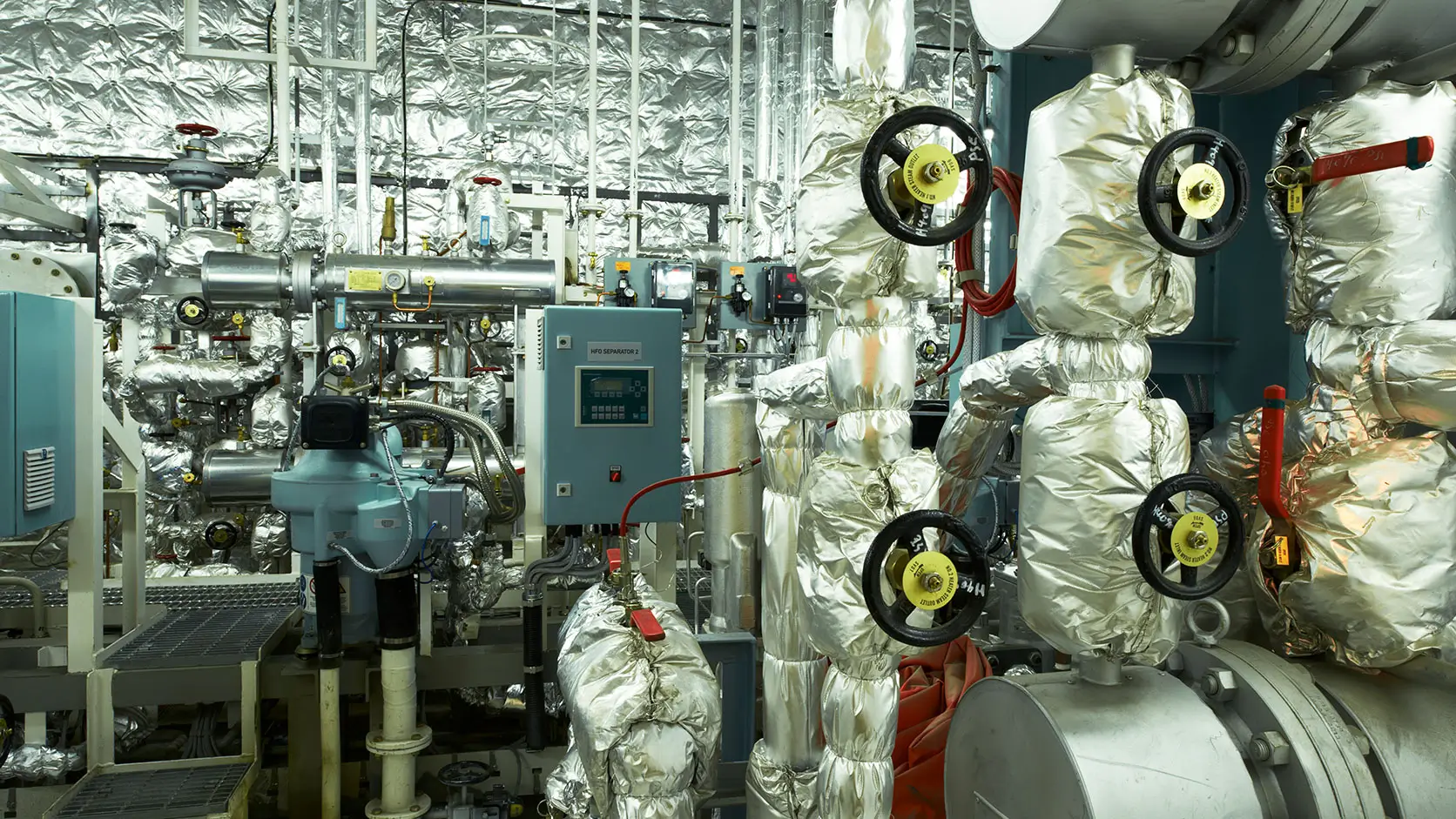
Electrical heat trace (also called heat tracing or trace heating) is a system of electric heating cables installed along pipelines, valves, and instruments to prevent freezing and maintain process fluids at the correct operating temperature.
In Alberta, where winter temperatures regularly drop to -30°C and below, heat trace isn’t optional. It’s a fundamental requirement for any exposed or unheated piping. Without it:
- Pipelines freeze and rupture, causing process shutdowns and structural damage
- High-viscosity fluids solidify and block flow
- Field instruments stop functioning correctly
- Production losses pile up and safety incidents become a real risk
Design, installation, and maintenance — from engineering to the field.
System design: heat loss calculations, cable type selection (self-regulating, constant wattage, mineral insulated), and circuit layout.
Installation: heating cable application, thermal insulation, junction boxes, control panels, and power distribution.
Control systems: thermostats, temperature controllers with SCADA integration, and circuit monitoring.
Testing and commissioning: insulation resistance testing (megger), continuity verification, and functional validation of each circuit.
Preventive maintenance: periodic inspection, insulation resistance testing, and control verification.
Corrective maintenance: fault diagnosis and replacement of damaged cable sections.
The right solution for each application.
Self-regulating cable:
Automatically adjusts heat output based on ambient temperature. Ideal for freeze protection on variable-length pipelines. Energy-efficient and safe — it won’t overheat.
Constant wattage cable:
Constant heat output per linear metre, regardless of temperature. Suitable for process temperature maintenance where consistent heating is required.
Mineral Insulated (MI) cable:
For very high process temperatures and severe industrial environments. Highly durable and appropriate for classified (hazardous) areas.
Where heat trace is essential.
- Water and effluent lines in outdoor or unheated structures.
- Oil, gas, and chemical process lines.
- Condensate and steam lines in industrial plants.
- Valves, flanges, and field instruments.
- Drains and sewer systems in industrial and commercial facilities.
- Tank farms and viscous fluid transfer systems.
Technical expertise meets 20 years of Alberta experience.
Complete design: we calculate the correct heat load — no under-engineering that fails in winter, no over-engineering that wastes energy.
Certified for classified areas: correct installation in classified areas for O&G and petrochemical facilities.
SCADA integration: heat trace monitoring systems with fault alarms tied into the plant control system
ISNET, SECOR, Master Electricians Alberta: full credentials for any industrial site
20 years operating in Alberta: real experience with the temperature conditions and regulatory requirements of this province