More than pulling wire.
It’s a process that protects people and the owner.
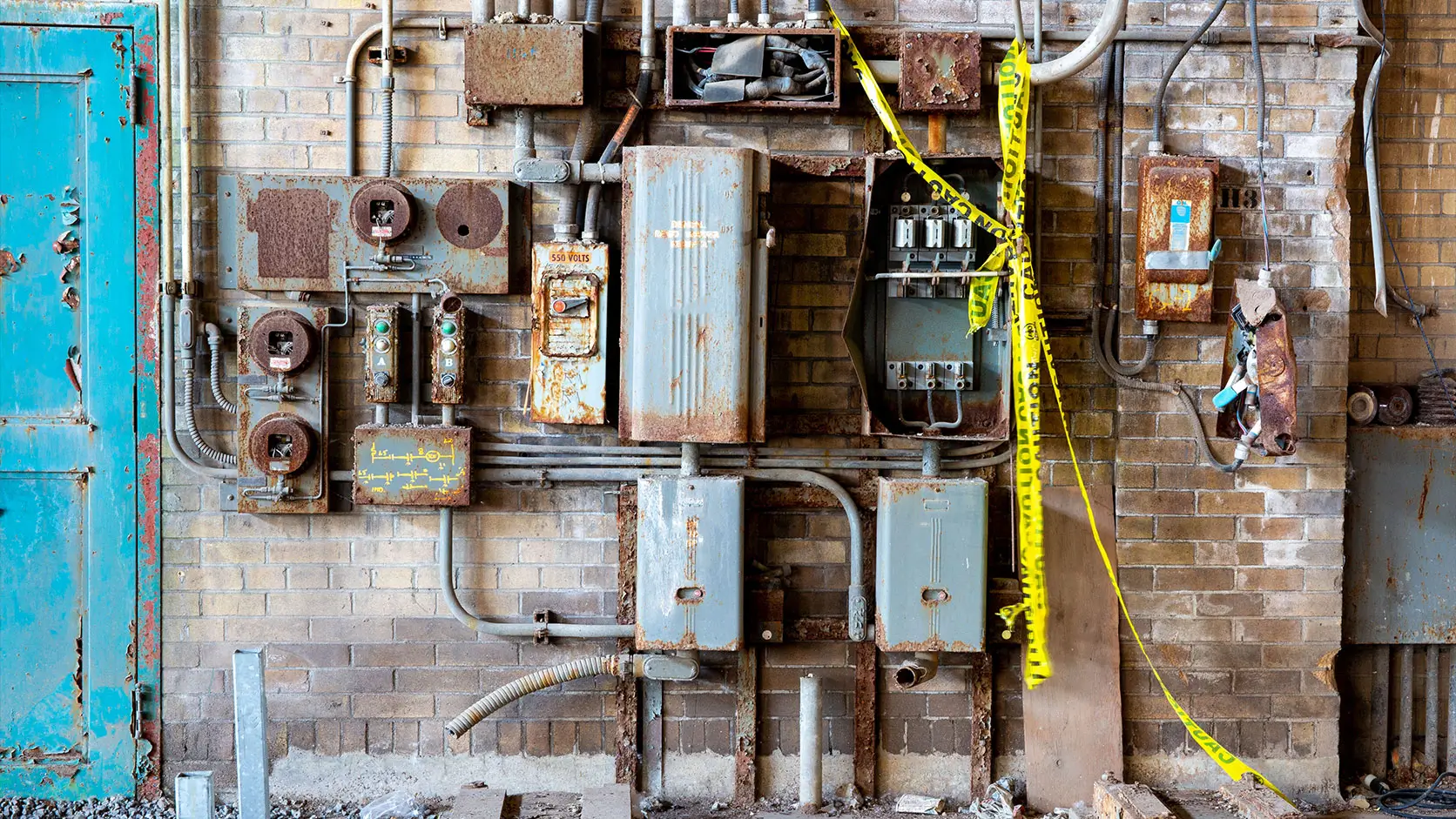
Electrical decommissioning done wrong creates real risk: energised circuits discovered mid-demo, abandoned cables that become future arc flash hazards, and incomplete de-energisation that causes safety incidents during subsequent mechanical or civil demolition work.
Electrical decommissioning done right includes:
- Verification that every system is de-energised and locked out before mechanical demo begins.
- Systematic isolation of all feeds back to the source — not just at the local disconnect.
- Proper cable salvage or disposal categorised by conductor type and insulation.
- Documentation of what was removed and what remains.
Complete electrical demolition scope.
- De-energisation and LOTO verification: system isolation, lockout, and multi-point verification before any demolition begins.
- Equipment removal: panel boards, MCCs, transformers, drives, motors, and switchgear.
- Cable removal: power and control cables removed back to source — no abandoned energised conductors.
- Conduit and tray removal: where required for demolition scope or salvage value.
- Salvage sorting: copper cable, aluminium cable, and scrap steel sorted for maximum salvage return.
- Hazardous material flagging: PCB-containing transformers and equipment identified and referred to appropriate remediation.
- Partial decommissioning: selective removal for plant modifications where only specific systems are retired.
- Documentation: equipment removal log, cable schedule updated to show removed circuits, and completion report.
Safe work in live plants and brownfield environments.
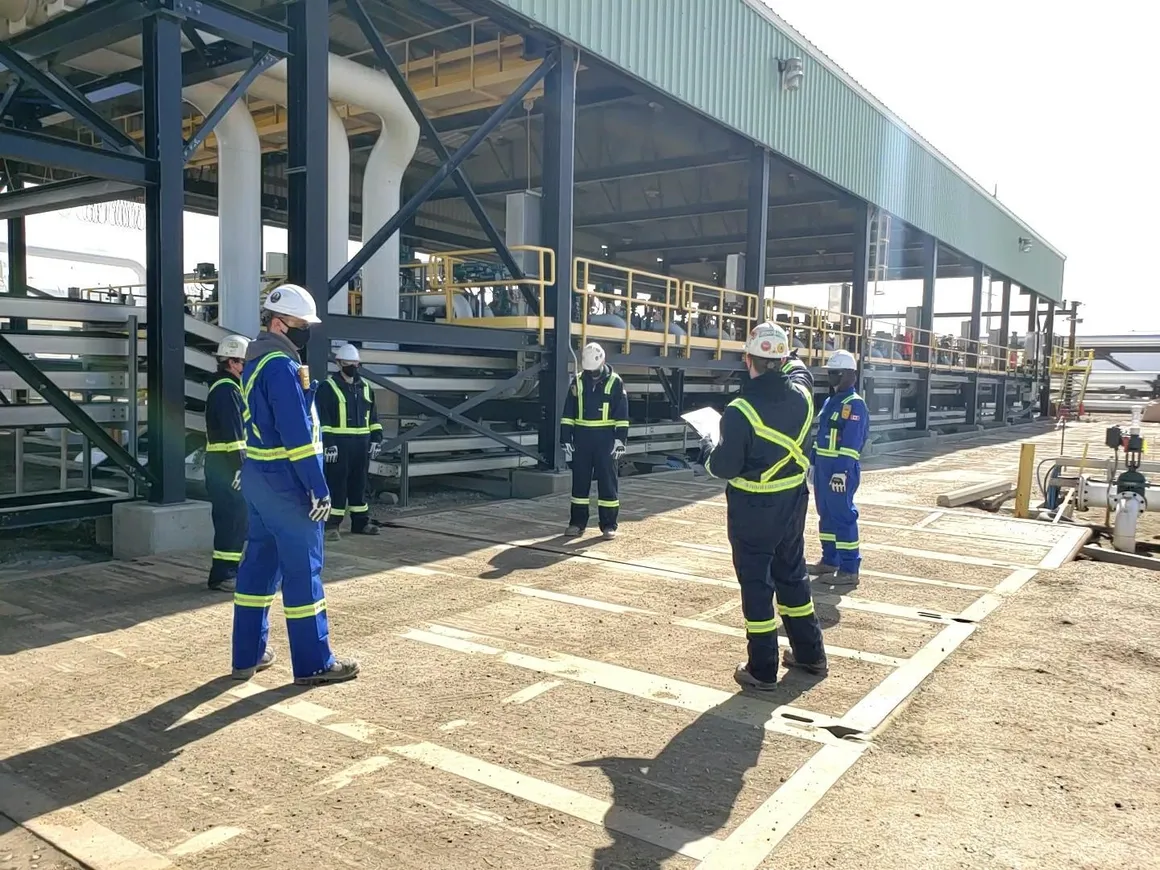
Most electrical decommissioning in Alberta happens in operating facilities — a section of a plant being retired while adjacent processes continue to run.
This is where decommissioning expertise really matters: —.
- Isolation point identification: understanding which tie-points and upstream sources need to be addressed to fully de-energise the target scope.
- Interfacing with the operating plant: coordinating with plant operations and following the site’s LOTO programme.
- Working safely in classified areas: demobilising systems in hazardous locations requires classification-aware work practices.
- ISNET compliance: documentation and safety management to the standards Alberta’s industrial operators require.
Safe, documented, and done right the first time.
- Industrial plant experience: we’ve decommissioned sections of operating plants across Alberta and BC — we know how to work around live processes.
- LOTO competency: our team follows site LOTO procedures and maintains their own LOTO programme.
- ISNET and SECOR: pre-qualified for industrial operator demolition scopes.
- Master Electricians Alberta: qualified to assess, isolate, and document the electrical scope.
- Salvage coordination: we sort and weigh salvage on your behalf and provide a salvage credit where applicable.